

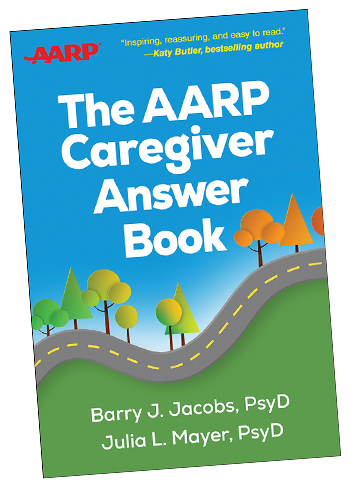
Winner of the American Journal of Nursing 2025 Award for Best Consumer Health Book

From the authors of AARP Meditations for Caregivers
If you’re among the millions of people annually who take on the role of providing unpaid care to family, friends, or neighbors, you are sure to face tough questions. That is why The AARP Caregiver Answer Book is for you!
BUY NOW!
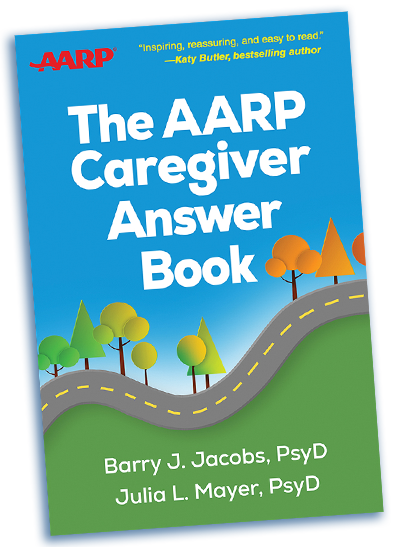
Winner of the American Journal of Nursing 2025 Award for Best Consumer Health Book
From the authors of AARP Meditations for Caregivers
If you’re among the millions of people annually who take on the role of providing unpaid care to family, friends, or neighbors, you are sure to face tough questions. That is why The AARP Caregiver Answer Book is for you!
BUY NOW!
The AARP Caregiver Answer Book: Answers to Some Tough Questions
If you’re among the millions of people annually who take on the role of providing unpaid care to family, friends, or neighbors, you are sure to face tough questions.
How do I coordinate the care my loved one needs? How can I get other relatives to pitch in? Who pays for all this? Husband-and-wife psychologists Barry J. Jacobs and Julia L. Mayer—who have counseled family caregivers for over 30 years and cared for their own aging parents for a decade—have answers. Written in a Q&A format, this easy-to-navigate guide is packed with information, problem-solving and coping ideas, resources, stories, and communication tips. Drs. Jacobs and Mayer compassionately address everything you need to know to help your parent, spouse, or other care receiver. From managing family conflicts to hiring aides to optimizing end-of-life care, this is a book to return to at every step of the journey.
The AARP Caregiver Answer Book: Talking Points
-
- Caring for a Parent: Caregiving isn’t a zero-sum game in which caring for yourself somehow takes away from care you provide a parent. More time toward self-care gives you more energy to care for others
-
- Caring for a Partner: Do a spousal caregiver’s feelings change toward the partner they are caring for? In many cases, they do. Romantic love may fade but a kind of cherishing sometimes. takes its place. Minimizing the imbalances in the give-and-take of the relationship can help.
-
- Caring for Someone with Cognitive Impairment: It can be so sad seeing someone you love becoming forgetful and confused that you may want to look the other way. But it is important that you convince them to undergo an evaluation with a medical specialist or neuropsychologist to assess their degree of decline.
-
- Providing Care in the Home: Falls are the bane of older adults and those with disabilities. You can help prevent them to an extent by making environmental modifications, including putting the right equipment in place and increasing the illumination in the residence.
-
- Providing Care in a Facility: It is essential to develop good working relationships with the facility’s team members. You have information and support to help them do a better job with your family member. They can provide informed guidance to help you, too.
-
- Caregiving with Siblings: The most difficult part of caregiving for many adult children caring for parents is clashing with their siblings who either won’t pitch in to help or try to take over. There is a three-step process of consensus-building, devising a caregiving plan, and creating for ongoing communication and decision-making that can improve those caregiving sibling relationships.
-
- After Caregiving Ends: Both relief and grief are normal. Unfortunately, so is guilt. The hope is that you can come to appreciate what youP’ve accomplished to help a family member live as well as possible with aging, illness, or disability. Caregiving will change you–oftentimes for the better.
Chapter Guide
Authors’ Note
Introduction
1. Welcome to Caregiving
2. Assessing Your Situation
3. Taking Care of Yourself, Too
4. Communicating with Dignity
5. Caring for a Parent
6. Caring for a Partner
7. Caring for Someone with Cognitive Impairment
8. Day-to-Day Caregiving at Home
9. Caregiving in a Facility and from a Distance
10. The High Cost of Caregiving
11. Collaborating with Siblings and Other Relatives
12. Partnering with Helping Professionals
13. When the End is in Sight—and Afterward
Afterword
Resources
Index
About the Authors
Download Sample Chapter







**Now available in paperback and audio book!

This timely release tackles the 10 most common challenges of sustaining loving relationships and emotional wellness in your 50s, 60s, and beyond. Authors Julia Mayer and Barry Jacobs, a husband-wife team of psychologists with more than 50 years of combined clinical experience helping individuals and couples, provide professional expertise paired with tried-and-true advice from those who’ve walked this walk before. They offer insights on how to address:
The Empty Nest • Extended Family • Finances • Infidelity • Retirement • Downsizing and Relocating • Sex • Health Concerns • Caregiving • Loss of Loved Ones
AARP Love and Meaning After 50 offers anecdotes, do it yourself assessments and follow-up exercises, and tips for connecting through the difficult times. With this book you’ll find deeper meaning and greater satisfaction for the decades ahead—together.
Previously Released Books
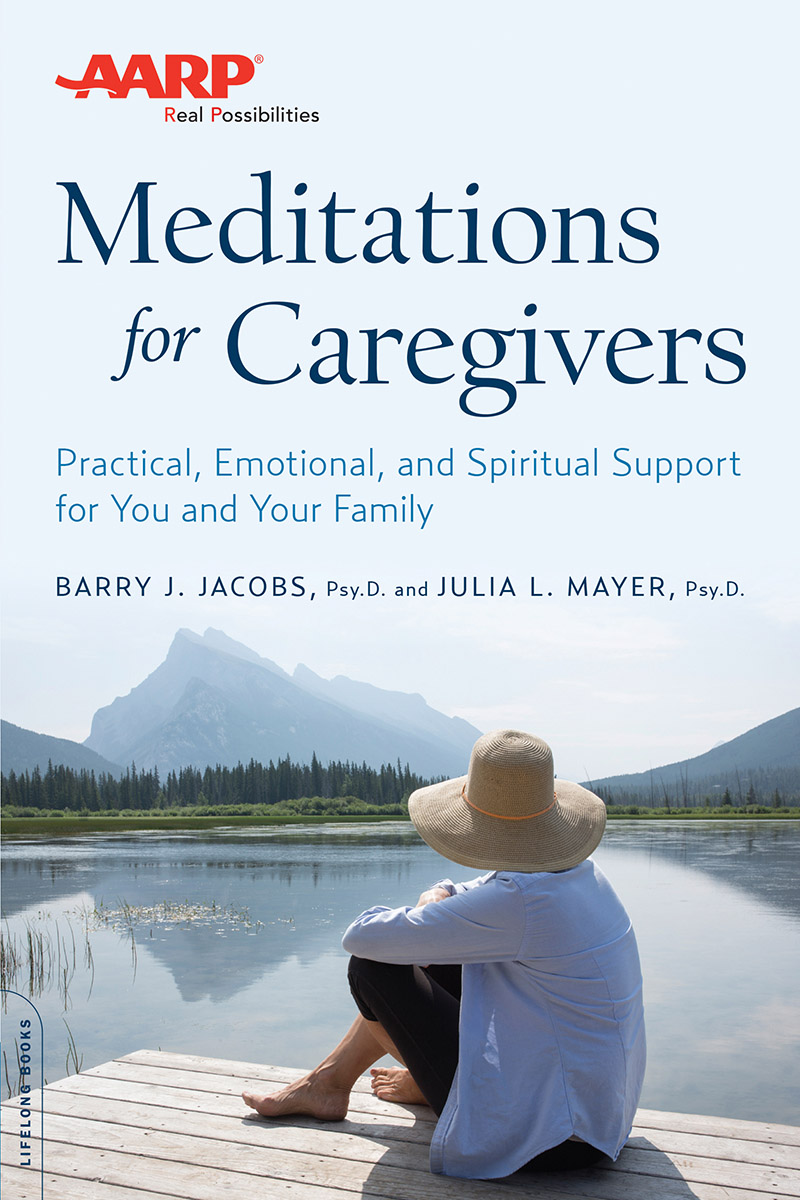
Family care giving has its challenges: emotional overload, time constraints, anxiety, burnout, missed work, adult sibling conflicts, and marital issues. AARP Meditations for Caregivers blends emotional and spiritual motivation to minimize the strains while helping caregivers view their work as a mission from the heart. Chapters are organized by theme, including topics such as accepting your feelings, knowing your limits, seeking support, and managing stress. Each reading offers a poignant meditation, an anecdote drawn from the author’s personal or clinical experience, and hands-on or psychological advice to foster coping skills and a sense of fulfillment.
The meditations in this dispensable book will provide you with solutions to typical care giving challenges, offer relief and renewal through mindfulness, and inspire you to find meaning and value in the work you do. BUY THIS TITLE: AMAZON – BN – BOOKSHOP
A bad relationship bringing you down? Psychologist June Gray, Ph.D., knows all about that. And she’s desperately trying to figure out what to do about it. Travel with her as she roller-coasters between the depths of despair and the heights of joy, all the while trying to make a living treating her patients, who have issues painfully similar to her own. An experienced psychologist, June knows how to help others with their relationship troubles. But can she follow her own good advice? On your journey through the life and mind of a neurotic psychologist, you might just gain some valuable insight into yourself and others as well as have some laughs along the way.
The meditations in this dispensable book will provide you with solutions to typical care giving challenges, offer relief and renewal through mindfulness, and inspire you to find meaning and value in the work you do. BUY THIS TITLE: AMAZON – BN

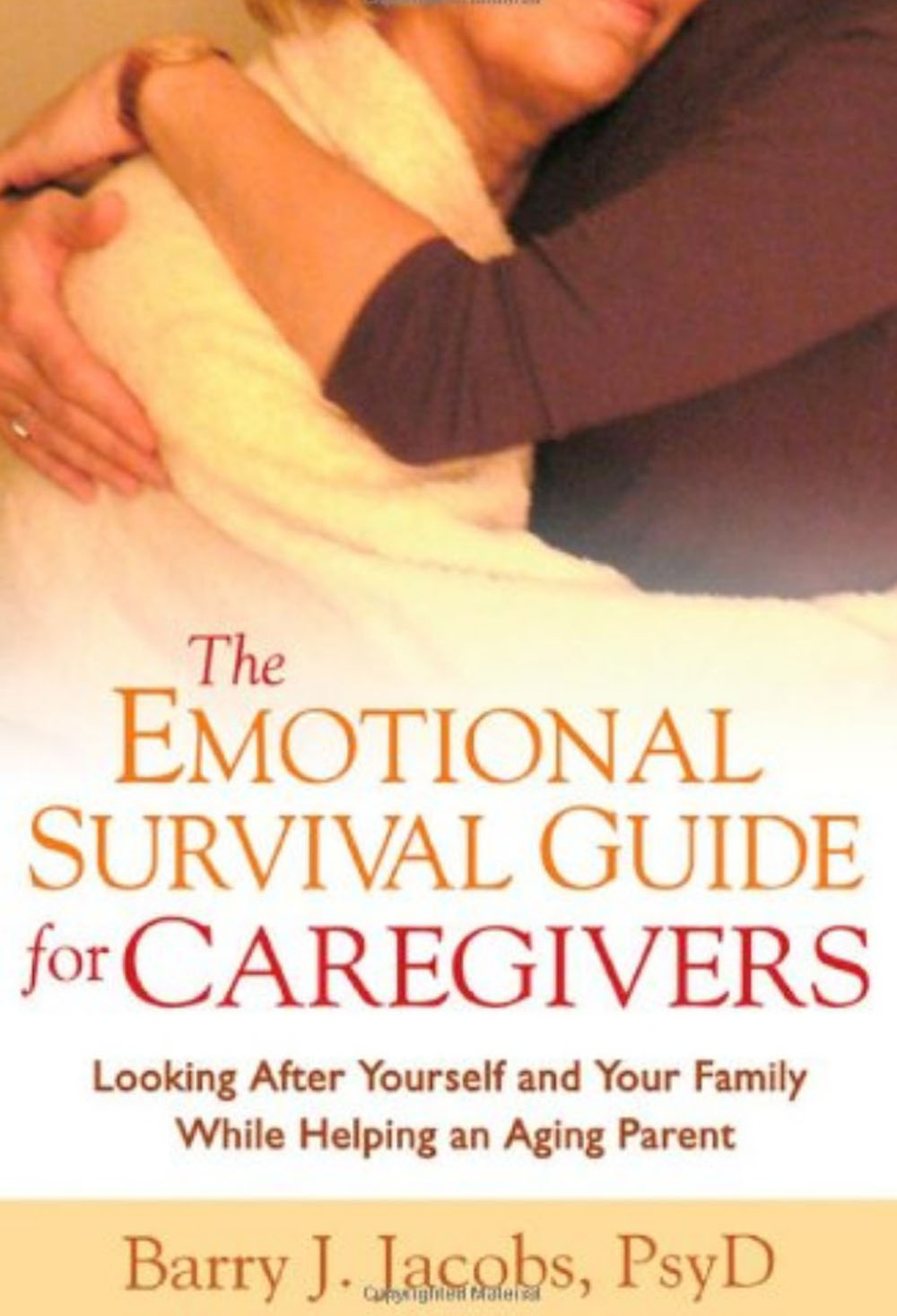
Caring for a parent whose health is in decline is a deeply meaningful way to express your love and loyalty. But if you’ve come to this website, chances are you’re also struggling with some aspects of your role as a caregiver. Whether you’re tired of clashes with siblings, frustrated that your parent no longer seems to appreciate your help, or confused by ambivalent feelings, you’re not alone. The emotional toll of caregiving is seldom acknowledged, but the costs are tremendous and the potential for burnout is high.
Barry J. Jacobs, Psy.D., has been there—both as a clinical psychologist and family therapist specializing in counseling medical patients and their loved ones and as a child who felt the impact of caregiving on his own family. BUY THIS TITLE: AMAZON – BN – BOOKSHOP